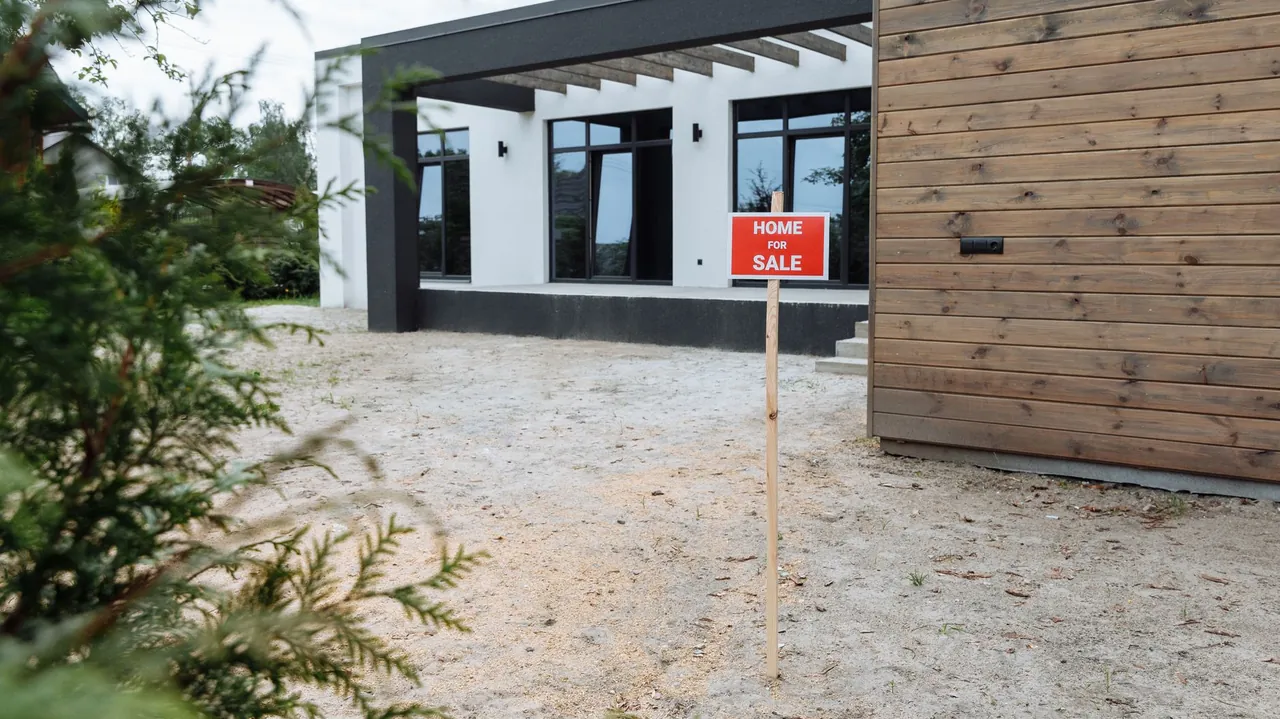
Real estate teams do not usually lack ideas for a listing. They lack enough usable visuals to launch, test, and refresh the listing before the opportunity goes cold. Midjourney for real estate can fill that gap, if you use it for concepts and marketing assets rather than pretending it replaces property photography.
The useful question is not “can AI make a house look nice?” It can. The useful question is which parts of the listing workflow benefit from fast visual iteration, and which parts still require accurate, human-produced images.
Where midjourney for real estate creates value
Use generative images around the property record, not as a substitute for the property record. Four jobs are a good fit:
- Pre-listing concepts: Show a seller how a neglected room might feel after renovation, landscaping, or furniture changes. Label these as concepts, not as the current property.
- Lifestyle and campaign assets: Create neighborhood mood, seasonal social posts, buyer personas, and ad backgrounds that support the listing without misrepresenting its condition.
- Development and off-plan marketing: Turn floor plans, architectural references, or a written brief into early visual directions before the final photography exists.
- Virtual staging directions: Test furniture styles, palettes, and room uses before commissioning an approved staging edit.
The boundary matters. A generated “after renovation” image is a marketing concept. It is not evidence that a kitchen has quartz counters, that a view exists, or that a room is larger than it is. Keep factual listing photos and generated creative in separate folders, with separate labels in the approval workflow.
Build a listing pipeline, not a prompt collection
A repeatable workflow makes the output useful to agents, brokerages, and agencies:
- Collect verified inputs. Address, room dimensions, fixed architectural features, approved photography, brand palette, and claims that legal or compliance teams have cleared.
- Split factual and imaginative work. Use real photos for the property truth. Use generated images for campaign concepts, mood, seasonality, and clearly labeled renovation ideas.
- Generate a controlled batch. Keep the camera angle, lighting direction, style, and audience fixed while varying the headline concept or seasonal treatment. Batch generation beats one-off prompting because reviewers can compare options.
- Review for invented details. Check windows, doors, stairs, appliances, landscaping, signage, and views. If the image could cause a buyer to infer a fact, it needs a human decision.
- Deliver an asset package. Include the approved image, caption, intended channel, disclosure text, source prompt, and reviewer. A folder of unlabeled generations is not a production system.
This is the same async job shape covered in the Midjourney REST API guide: submit, track, fetch, and review. Once several listings move at once, a queue is more reliable than a browser tab and makes the handoff visible to the whole team.
Midjourney for real estate: the right asset mix
Do not promise “AI photos for every listing.” Package the work by buyer-facing job instead:
| Asset | Good use | Keep human-controlled |
|---|---|---|
| Property photography | Actual listing condition and dimensions | Always |
| Renovation concept | Seller presentation and planning | Disclosure and factual labels |
| Neighborhood lifestyle art | Social posts and campaign themes | Location claims and landmarks |
| Virtual staging concept | Furniture direction and buyer mood | Room shape, windows, and edit disclosure |
| Development visualization | Early sales and internal alignment | Approved plans and final specifications |
The table is also a pricing boundary. Charge more for a reviewed listing package than for raw generations. Clients are buying a usable marketing asset, not four grids of variations.
How agencies turn it into a service
An agency can start with a fixed package: one listing brief, three campaign directions, a batch of social crops, and a review round. Add approved disclosure language and a simple change log. That gives the client a deliverable they can approve instead of an open-ended promise of “AI creativity.”
For larger brokerages, the opportunity is a branded internal platform. A white-label workflow can separate teams, route jobs through a queue, and keep the prompt and approval history attached to each listing. The white-label agency playbook covers the commercial side; the real estate version needs one extra rule: property accuracy outranks visual novelty.
A self-hosted platform becomes sensible when several agents or offices generate assets every week. At that point, the value is not merely cheaper images. It is control over users, queues, branding, and delivery. Compare that ownership model with a rented wrapper in the self-hosted vs API reseller guide.
What to disclose and what not to claim
Midjourney's terms and the rules of the listing marketplace still apply to the accounts and assets involved. Do not imply that generated visuals are official property photographs. Mark renovation, staging, and lifestyle concepts clearly, retain the original property photos, and have the brokerage decide what disclosure language is required in each market.
Nextjourney is an independent image generation platform, not affiliated with Midjourney or Discord. It sells source code for a self-hosted backend, frontend, REST API, and admin dashboard; it does not grant permission to automate or resell any third-party service.
Ready to build a real estate content pipeline?
Own the backend, frontend, REST API, and admin dashboard. One-time source-code licenses start at $399; white-label agency licensing is $1,499.
See pricingStart with one listing and a strict review checklist. If the team can produce approved campaign assets faster without blurring the line between concept and fact, then scale the queue—not the claims.